Area guide · 2026
Living in the Boise, Idaho area in 2026
This guide is our practical, honest look at the Boise, Idaho area for 2026: what it is actually like to live here, the Treasure Valley towns where manufactured-home parks are common, the climate through all four seasons, commuting and airport access, and how park-community life really works. We are Paul and Troy, the two-agent team behind this site, and we write from the parks we work every day, not from a brochure. Wherever a number or a price would go, you get a source or an honest ask us for current pricing.
The big picture
What the Boise area is actually like in 2026
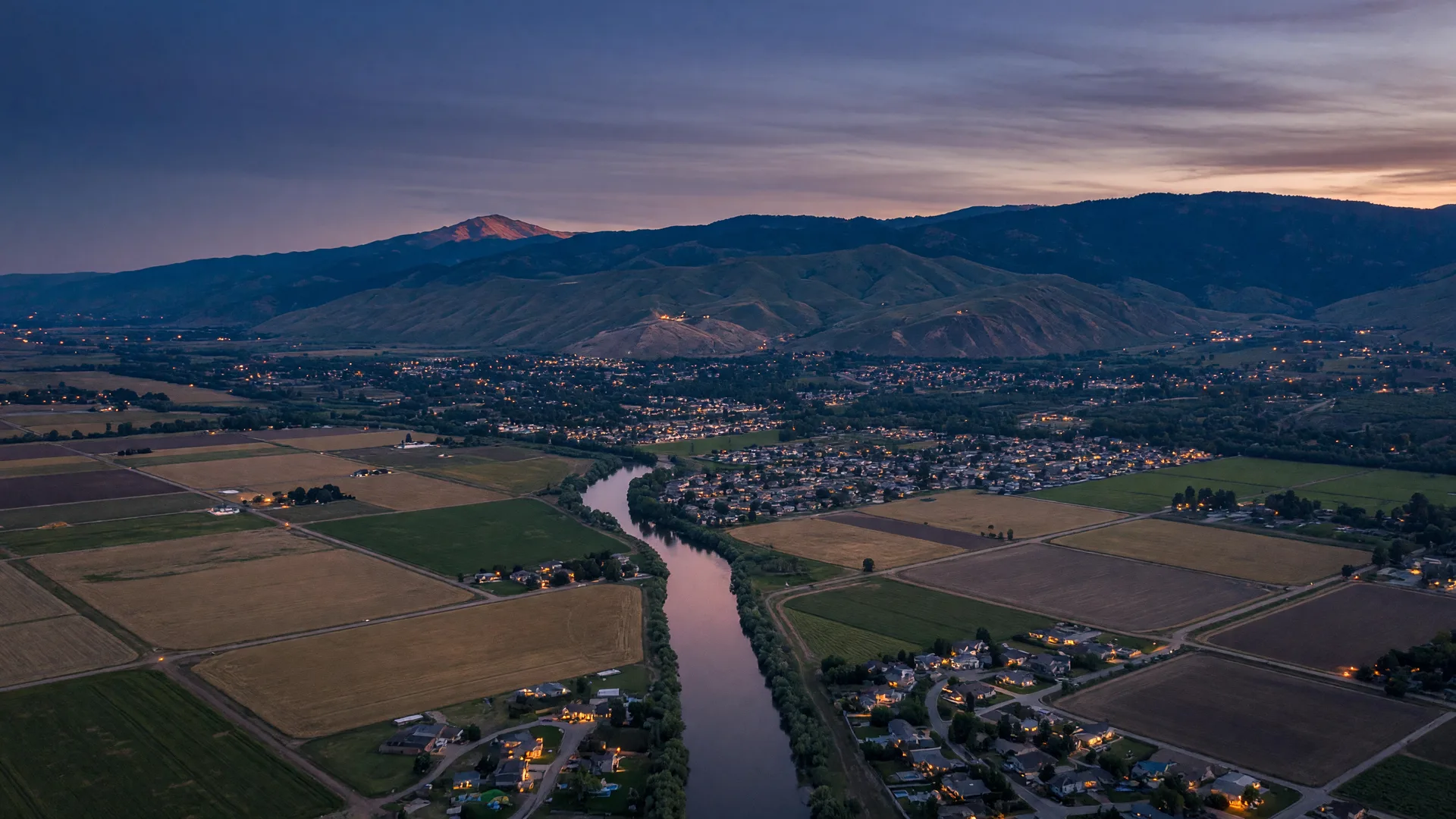
Boise is Idaho's capital and its largest city, sitting at the eastern end of the Treasure Valley with the Boise River running through it and the foothills rising to the north. The region's high-desert setting brings wide-open skies, dry heat in summer, and a famously outdoorsy identity: the river greenbelt, foothills trails and mountain recreation are all close at hand.
It is also a growing place. The Boise City metro area counted about 846,000 residents as of July 1, 2024 (U.S. Census Bureau vintage 2024 estimates), and the Census Bureau's latest vintage, released March 2026, puts the figure near 864,000 as of mid-2025. The regional planning agency COMPASS estimates the core Ada and Canyon county valley has added roughly 150,000 residents since 2020. Growth on that scale shows up in housing demand of every kind, park communities included.
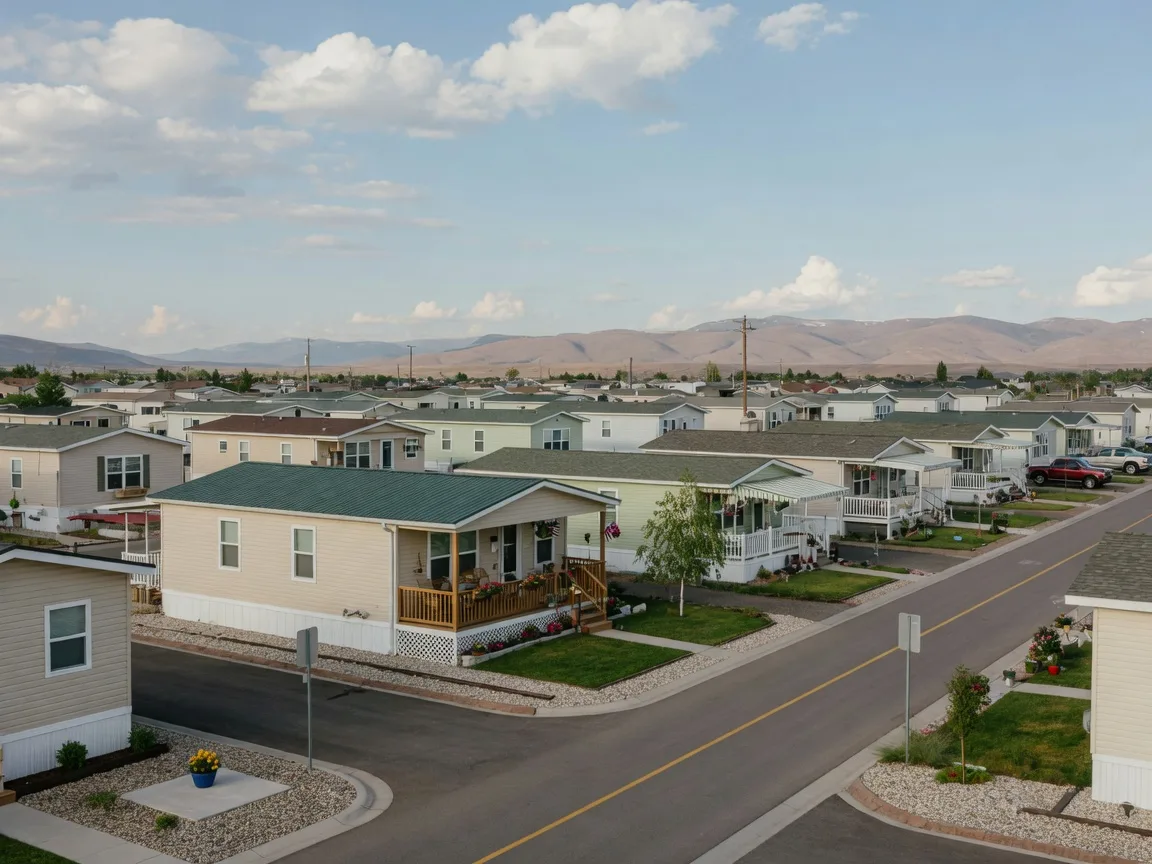
What that means for park homes: more households are competing for attainable housing, and manufactured homes in parks remain one of the most realistic ways to own a home close to a growing metro's jobs, schools and services. We see it in the parks every week. Ask us for current pricing and availability, and we will show you the real picture for the town you want.
-
A car is the practical default for most commutes, errands and park visits.
-
The seasons are real and change the rhythm of the year more than in many metros.
-
Park living runs on each park's own rulebook, and we read every one with you.
The towns
Treasure Valley towns where manufactured-home parks are common
Manufactured-home and mobile-home parks are part of everyday housing across the Valley. Each town has its own character, its own park roster and its own approval process, and we cover all ten in detail on our area guides.
Boise
Ada CountyThe capital's park-home market: close-in communities, river corridors, and real buyer demand.
Read the area guideEagle
Ada CountyRiver-adjacent park living on the greener side of Ada County.
Read the area guideMeridian
Ada CountyPark homes next to one of the Valley's busiest job and retail corridors.
Read the area guideStar
Ada CountySmall-town park living on the western edge of Ada County.
Read the area guideMiddleton
Canyon CountyA quiet farm-town pad with the Snake River country close by.
Read the area guideNampa
Canyon CountyThe Treasure Valley's park-home stronghold: dozens of communities, real choice.
Read the area guideKuna
Ada CountyFarm-town pace with short drives to Meridian and Nampa.
Read the area guideCaldwell
Canyon CountyThe Canyon County seat with one of the Valley's largest park rosters.
Read the area guideMarsing
Canyon CountyRural river-town living at the far edge of the Valley.
Read the area guideGarden City
Ada CountyRiverfront park living wrapped inside the Boise metro.
Read the area guideYour town is not on the list? Ask us anyway. If a park fits your search and we are the right team for it, we will tell you straight.
Ask usWeather, honestly
Four real seasons, and mostly sunny days
Boise sits in a semi-arid high-desert zone. The climate is one of the honest reasons people like it here: real seasons without the extremes of much of the country. The figures below are the National Weather Service's 1991-2020 climate normals measured at the Boise airport, with the sunshine count from Visit Boise (2026).
- July highs
- about 92°F
- the hottest month, and dry
- Winter lows
- about 25°F
- December and January nights
- Snowfall
- about 17.6 in
- per winter on average, usually rounded to 18
- Sunny days
- 200+
- per year, per Visit Boise
Spring warms quickly, with April highs around 63-64°F, and by May the Valley is green and busy again. Summer is genuinely hot and dry: July's average high runs near 92°F, and the low humidity makes the heat easier to manage than it sounds. Fall is many people's favorite season, with October highs around 65°F, crisp nights, and golden light on the foothills.
Winter is cold but not punishing by mountain standards. December and January nights average about 25°F, and total snowfall averages roughly 17.6 inches a year by the 1991-2020 normals, usually arriving in a few storms rather than sitting all season. The high-desert sun means cold days are often bright ones.
Two honest caveats that we could not verify with a single named statistic, so we flag them as local knowledge rather than numbers: recent summers have included stretches of regional wildfire smoke, and winter can occasionally bring a day or two of cold fog. Neither defines the year, but both are worth knowing, and we point anyone moving here to the National Weather Service Boise forecast and the current air-quality readings before they plan around a given week.
Getting around
Commuting and airport access
The Treasure Valley is a car-friendly metro, and the freeway is the spine. Interstate 84 is the main east-west route linking Caldwell, Nampa, Meridian and Boise, and the I-184 Boise Connector carries traffic from I-84 into downtown. Most commutes follow one of those corridors, plus Chinden Boulevard and State Street along the north side.
Drive times depend on where the park sits, and our town guides give the honest, town-by-town expectations. As a rough guide from those pages: parks in Boise and Garden City run about 10-15 minutes to downtown, Eagle and Meridian about 15-25, Nampa and Kuna about 25-30, Star about 30, Caldwell about 30, Middleton about 35-40, and Marsing closer to 45-55. Rush hour adds real time on the main corridors, so we always test a drive at the time someone would actually make it.
For flights, Boise Airport (BOI) sits about 3 miles south of downtown, roughly a 10-minute drive. It is Idaho's busiest airport, with nonstop service to about 27 domestic destinations on 8 airlines (Boise Airport, 2026), and it set a record of about 5.23 million passengers in 2025, its fourth straight annual record, announced January 2026.
Bus service exists too. Valley Regional Transit (VRT) runs fixed-route bus service across Ada and Canyon counties, including routes that connect the two counties, plus on-demand options in several towns. Still, the honest planning assumption for most residents is a car, and parks vary widely in how close they sit to a bus line, so ask us or check VRT's route map for the specific park you are considering.
Rough drive times to downtown Boise
From parks in each town, off peak, per our town guides. Test your own route at your own hour before you commit.
- Boise and Garden City About 10-15 minutes
- Eagle and Meridian About 15-25 minutes
- Nampa and Kuna About 25-30 minutes
- Star About 30 minutes
- Caldwell About 30 minutes
- Middleton About 35-40 minutes
- Marsing About 45-55 minutes
Daily life
Community feel and local life in park communities
This is where honesty matters most, and we lead with the fact that shapes everything: in most parks you buy the home and lease the pad under it. Park space does not come with home ownership. Our full explainer walks through how that works.
Beyond that single fact, communities vary as much as neighborhoods in any city. Some parks are quiet and established, with long-time residents and tidy streets. Others are active, with clubhouses, pools, community rooms and a calendar of events. Some are simpler: pads, utilities and good neighbors. The amenity list follows each park's ownership and rules, and we verify every list before a buyer commits.
The reliable way to judge a community is to see it yourself, ideally more than once and at different times of day, and to read the park's rules and lease before you commit. Age minimums, approval steps, pet rules, utility splits and resale rules are all set park by park. Parks open to the public operate under federal, state and local fair housing law, and so do we: we never steer anyone toward or away from a community. We lay out the facts, and you choose.
Space rent is the other honest constant: a monthly cost on top of your home payment, set by the park and subject to change under the lease. Always ask for the current space rent in writing, and compare the full monthly picture, home payment plus pad rent, before you make an offer.
The honest numbers
Cost of living and pricing: ask for current pricing
We do not publish price guesses anywhere on this site. Listing prices, space rent, financing terms and utility costs all move, sometimes month to month, and every park prices itself differently. For any figure you need, ask us for current pricing and we will pull the real numbers before you rely on them.
Keep reading
The next pages for anyone considering the Boise area
Buyers guide
Financing, park approval and the HUD label checklist, geared to the Valley.
Read itFinancing
Pre-approval and loan options for manufactured and modular homes in parks.
Read itFAQ
Park leases, title issues, financing, HUD labels, age rules and space rent.
Read itCurrent park homes
The marketplace showcase page, with inventory added as parks list with us.
See homesYour move
Moving, buying or selling a park home in 2026?
Tell us the town, the park style and your timeline, and we will send back the real current picture: available homes, financing paths and the exact approval steps, with pricing by inquiry. Call or text (208) 369-7447, or use the contact page and we will answer honestly, usually within one business day.