The practical buying guide
Buying a manufactured home: tips and tricks
This guide collects the practical, day to day questions every park-home buyer in the Treasure Valley should answer before making an offer: what to ask the park, how financing works on leased land, what the HUD label really proves, and the pitfalls we watch buyers walk into. We keep it honest: we never quote prices or rates, and anywhere a number would go, we tell you to ask for current pricing.
Step one, before showings
What should I ask the park before I buy?
The park is the gatekeeper of your purchase. Its rules, lease and fees decide whether the home you like can actually be yours, so we ask the park questions before you fall in love with a floor plan. These are the ones that matter most.
Pad rent and lease terms
What is the current space rent, and can it change, how often and by how much? Is the lease month to month or a set term, and what happens at renewal? Get the answers in writing, not from a verbal tour.
Park rules and age restrictions
Is the park all ages or 55 and older? What are its minimum home-age and condition standards? What are the community rules on storage, parking, additions and how your home must look from the street?
Pet rules
Are pets allowed, and are there limits on breed, size or number? Is there a pet deposit or a monthly pet rent? If you have animals, do not guess, ask before you commit to a park.
Utility hookups and fees
Which utilities does the park provide and which does the resident arrange? Are water, sewer, trash or lawn care billed through the park or separately, and are there hookup or connection fees?
Park approval process
What does the park application include, what does it cost, and how long does approval take? What can disqualify a buyer? A park can reject a buyer even after the seller says yes.
Future plans and resale
Does the park plan changes to rents, rules or ownership? How does the park handle a future sale of your home, and what will your buyer need to pass? A park that fits you today should also fit your eventual buyer.
The single biggest question
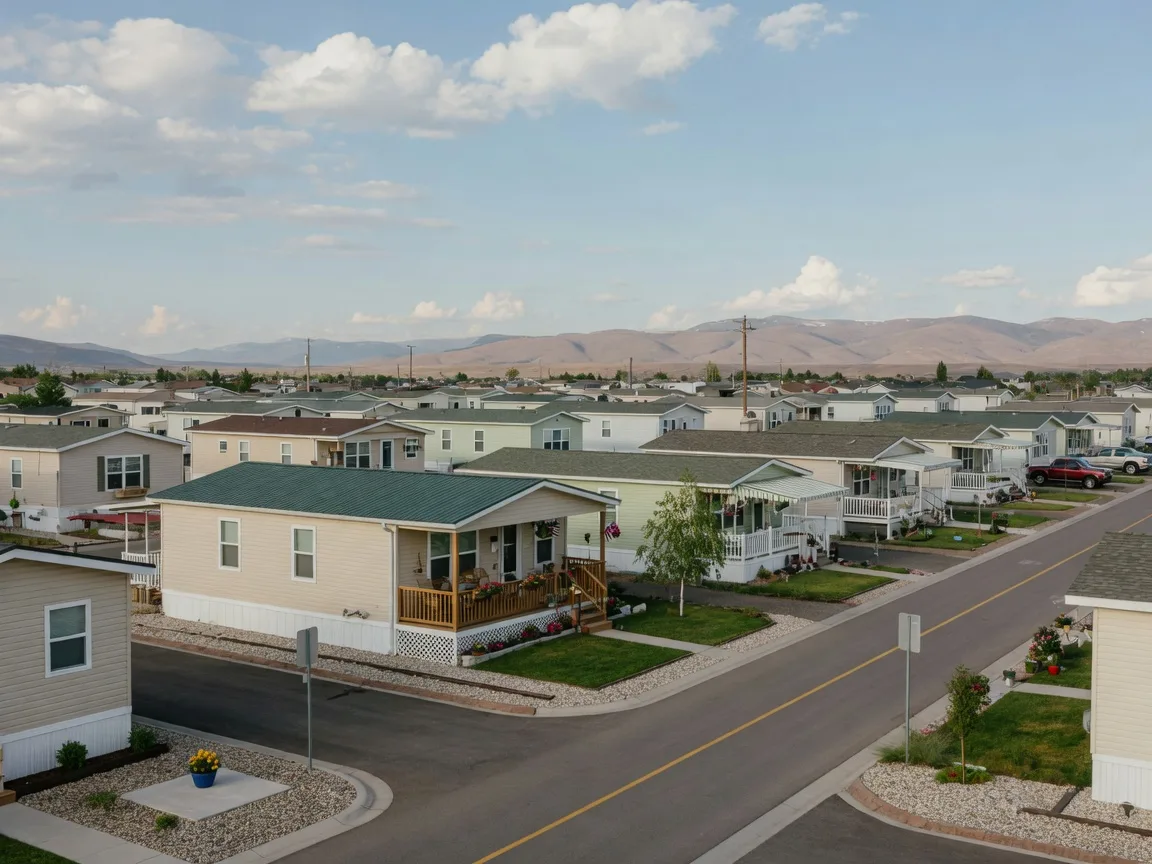
Do you buy the home or the land?
In most Treasure Valley parks you buy the manufactured home and lease the pad it sits on from the park owner. This is a land-lease arrangement: the structure is yours, the ground is rented. Park space does not come with home ownership.
-
You own the home: the structure, its fixtures and improvements are personal property you buy, finance and resell.
-
The pad is rented: space rent is a second monthly bill, set by the park under the terms of your written lease.
-
The ground shapes everything: the loan type, the resale process and the approvals all follow from leased land, not owned land.
Money matters
How do I finance a manufactured home in a park?
The loan follows the land. On leased park land there is no owned ground to mortgage, so buyers typically use a chattel loan, which finances the home as personal property secured by the home itself. A real property mortgage is generally available only when you own the land and the home sits on a permanent foundation.
Compare more than the home payment. Your real monthly number is the home payment plus space rent, plus utilities, and the rentals that make the park work. We never quote rates or prices here: ask lenders for current terms and ask for current pricing on any home you are serious about.
Full guide: chattel vs. real property
FHA
FHA offers more than one path. The Title I program can finance the manufactured home itself, which is why it comes up most for homes on leased park pads. FHA Title II treats the home and land together as real property, which usually means owned land. Ask lenders which program, if any, fits the specific home and park.
VA
VA loan benefits can extend to manufactured homes for eligible veterans, service members and survivors, but VA financing commonly treats the home as real property, which generally means owned land and a permanent foundation. If you have VA eligibility, ask a VA lender how the current rules apply to the home and park you are considering.
USDA
USDA Rural Development loan programs can finance manufactured homes in eligible rural areas, generally with owned land and real-property treatment. Whether a particular park community sits in an eligible area is a question for USDA-approved lenders. Ask for current terms and area eligibility before counting on it.
Credentials on the home itself
How do age-of-home rules and the HUD label work?
Manufactured homes built on or after June 15, 1976 were built to the federal HUD Code. Each section carries a HUD certification label, a small metal plate, and the interior data plate near the breaker panel records the year of manufacture. The year drives financing eligibility, and many parks set their own minimum home age on top of it.
A home can look beautiful and still be too old for the park to approve, and a missing HUD label is a serious flag because the federal program does not issue replacements. Read the year from the data plate, not from the listing, and check the park's minimum-year rule in writing before you make an offer.
The HUD label, explained in fullPre-purchase checklist
- Read the year of manufacture from the data plate
- Confirm the HUD label is present on every section
- Get the park's minimum-year rule in writing
- Match the home's age against loan programs that qualify
- Verify the home can legally sit in that park
Paperwork that can stop a sale
What should you know about the title?
Because a park home on leased land is personal property, its title lives on state records much like a titled vehicle. Before you make an offer, verify the chain of title: the seller's name matches the records, there are no undisclosed liens, no missing title and no old lien that was never released.
Title snags usually show up late: a lien recorded years ago and never cleared, a name that changed after a marriage, divorce or estate. Most are fixable, but they take time, so catch them early. We coordinate the title review, the park approval and the lender so a clean closing is not a surprise.
How title works when selling in a parkKnow the home you are buying
Should you get an inspection?
Yes. An independent inspection before you buy is money well spent on any home, and especially on an older manufactured home. A good inspector reviews the roof, exterior and skirting, windows and doors, HVAC, water heater, plumbing, the electrical panel and wiring, signs of water damage or leaks, and the condition of the supports the home sits on.
Pair the home inspection with the park side of the deal: get the park's approval and rules in writing, confirm the home meets the park's condition and age standards, and review the lease before you sign. Your inspection protects the purchase; the paperwork protects the whole arrangement.
Learn from the market
What are the common pitfalls to avoid?
These are the patterns we see most often in park-home purchases. None of them means a park home is a bad idea, they just mean the homework comes first.
Falling for the home before checking the park
A home is only as strong as the park that approves it. Check age rules, approval steps and space rent before you even schedule a showing.
Assuming the land comes with the home
In most parks it does not. You buy the structure and lease the pad, so plan for space rent as a permanent second monthly bill.
Comparing list price alone
The real cost of a park home is the payment plus space rent plus utilities. Ask for current pricing and build the full monthly picture before you compare.
Trusting a verbal yes from the park
A park approval is only real in writing. Get the application result, the rules and the lease terms documented before you commit.
Skipping the HUD label and data plate check
The home's year drives financing and park eligibility. Read it from the plate, not the listing, and confirm the label is present on every section.
Financing before you know the loan type
On leased land you will usually need chattel financing. Confirm which loan type the home, the park and your file can support before you shop rates.
Ignoring the fine print in the lease
Renewal terms, rent increase rules and resale restrictions live in the lease. Read it, and let us read it with you, before you sign.
Thinking about resale too late
The park that fits you now has to approve your buyer later. Consider the park's future rules as part of today's decision, not a problem for the sale.
Buy with the team that knows the parks
We are the Treasure Valley two-agent team for manufactured homes in parks, and we answer every question honestly: park rules, financing, HUD labels, title, current pricing and current listings. Ask us anything, no scripts and no invented numbers.